
A Strategic Approach to Reducing Food Waste and Empowering Chefs
In a hypothetical project aimed at addressing the staggering 40% of food wasted in the United States, Baldor Specialty Foods, a leading produce wholesaler on the East Coast, partnered with me to explore revitalizing their SparCs (Scraps spelled backwards) program. As Project Manager & Research Lead, I led the ideation, research, marketing, and branding efforts to transform food waste into a valuable resource for chefs and promote sustainability within the culinary industry.
The Challenge
Despite its potential, the SparCs program faced adoption challenges. Many chefs were unaware of its existence or the potential benefits it offered. Furthermore, the program’s ordering process was cumbersome and lacked clear communication about available SparCs products. Baldor was losing out on potential revenue, and valuable produce was still going to waste.
Research & Discovery
To gain a deeper understanding of the challenges and opportunities surrounding the SparCs program, our team conducted extensive research, including:
Interviews: Conducting in-depth interviews with chefs, restaurant owners, and Baldor staff revealed a lack of awareness and understanding of the program. Chefs expressed a desire for more information on how to use SparCs creatively and efficiently.
Competitive Analysis: Analyzing similar programs offered by other food suppliers, such as Imperfect Foods and Misfits Market, revealed the importance of effective marketing, clear pricing, and user-friendly ordering processes.
Data Analysis: Examining Baldor’s sales data showed that a significant amount of organic waste was generated daily, representing a substantial untapped resource. Additionally, a survey conducted among Baldor’s customer base indicated that 88.9% of consumers were willing to buy products made with food scraps, suggesting a strong market potential for SparCs.
Proposed Solution
Based on our research findings, the team developed a comprehensive strategy to revitalize the SparCs program, encompassing the following key areas:
Ideation & Concept Refinement: Through collaborative brainstorming sessions, incorporating design thinking methodologies, we refined the SparCs brand identity, emphasizing sustainability, creativity, and resourcefulness. This included developing a new logo, tagline (“SparCs: Where Flavor Meets Sustainability”), and visual language that evoked a sense of freshness and innovation.
Education: We created engaging and informative educational resources, such as blog posts like “10 Creative Ways to Use Carrot Tops,” social media content featuring chef recipes and tips using SparCs, and video demonstrations showcasing SparCs preparation techniques. We also explored partnerships with culinary schools to integrate SparCs into their curriculum.
Marketing & Communication: We developed a targeted marketing and communication strategy, focusing on social media campaigns (highlighting the hashtag #SparCsKitchen), email marketing to chefs and restaurants, and potential partnerships with culinary organizations. We also explored the possibility of creating a dedicated SparCs website or app for easy ordering and resource access.
Ordering Process Optimization: Working collaboratively, we designed a streamlined and user-friendly ordering process for SparCs, incorporating features like a “SparCs of the Week” spotlight and a dedicated section within Baldor’s existing online ordering platform. This would simplify the ordering process and make SparCs more accessible to busy chefs.
Project Manager & Research Lead
My responsibilities extended beyond traditional project management and research, playing a central role in guiding and coordinating the team’s efforts throughout the project lifecycle. My responsibilities included:
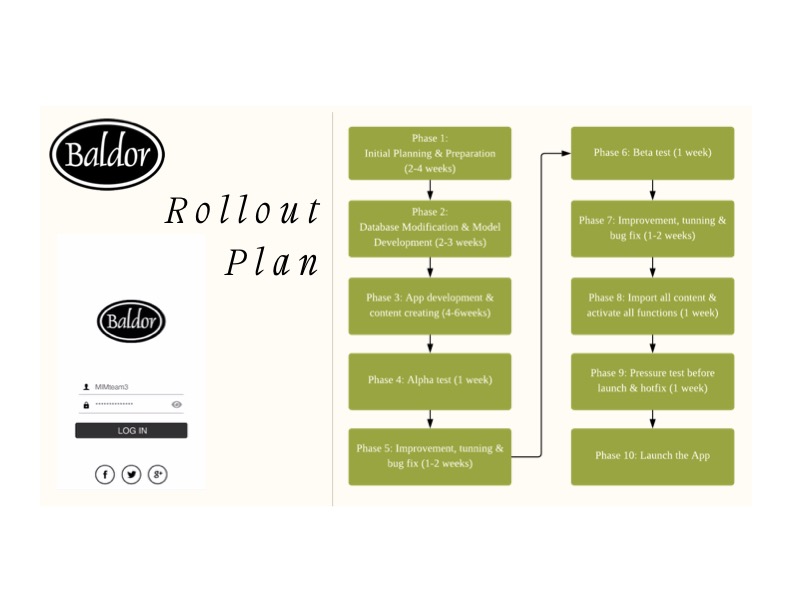
Leading Project Planning and Execution: Developing and managing project timelines, ensuring tasks were completed on time and within budget, and coordinating communication and collaboration between team members and stakeholders.
Leading Market Research: Conducting in-depth interviews with chefs, restaurant owners, and Baldor staff to gather firsthand insights into their pain points, motivations, and potential barriers to adopting sustainable practices. This involved developing interview guides, analyzing qualitative data, and synthesizing key findings to inform the project strategy.
Developing the Strategic Framework: Collaborating with the team to translate research findings into a actionable strategy. This involved defining target audiences, crafting key messaging points that resonated with their values and needs, and identifying optimal communication channels for maximum reach and engagement.
Overseeing Content Creation & Branding: Working closely with the marketing team to develop engaging and informative educational resources, including blog posts, social media content, and video demonstrations. This also involved guiding the creation of a refreshed brand identity for SparCs, ensuring consistency and alignment with Baldor’s overall brand image.
Managing Partnerships: Identifying and nurturing partnerships with influential chefs, culinary schools, and organizations to promote the SparCs program and amplify its reach. This involved relationship building, negotiation, and coordination of collaborative efforts.
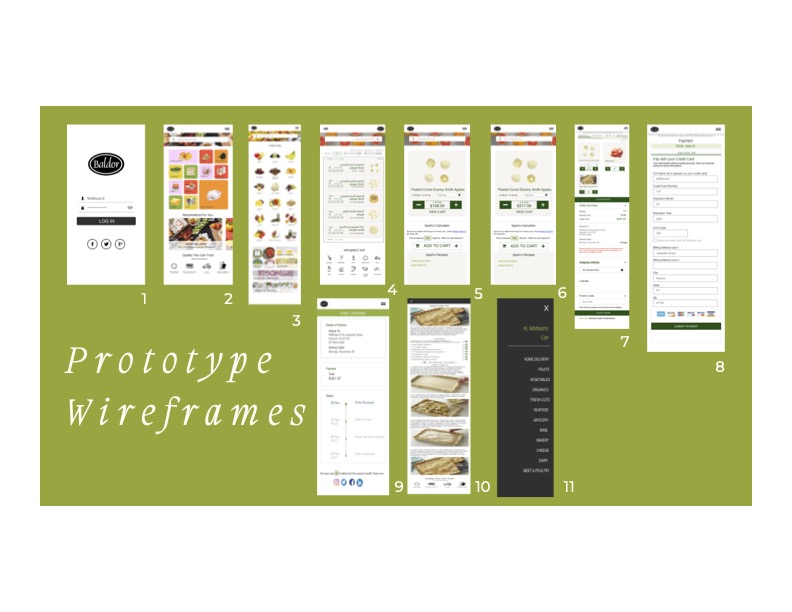
Designing an Optimized Ordering Process: Collaborating with the UX/UI design team to create wireframes and mockups of a simplified and user-friendly ordering process for SparCs. This included incorporating features like a “SparCs of the Week” spotlight and integrating the SparCs ordering process into Baldor’s existing online platform.
Potential Outcomes & Impact
The proposed strategic framework had the potential to achieve a range of positive outcomes for Baldor and the broader community:
Increased Awareness & Adoption: By educating chefs and restaurant owners about the benefits of SparCs, we could drive a significant increase in program awareness and adoption. This would lead to a reduction in food waste and a greater utilization of Baldor’s product offerings.
Menu Innovation & Customer Engagement: By inspiring chefs with creative ways to use SparCs, we could encourage menu innovation and provide restaurants with unique selling points. This could lead to increased customer engagement and positive brand association for both Baldor and the participating restaurants.
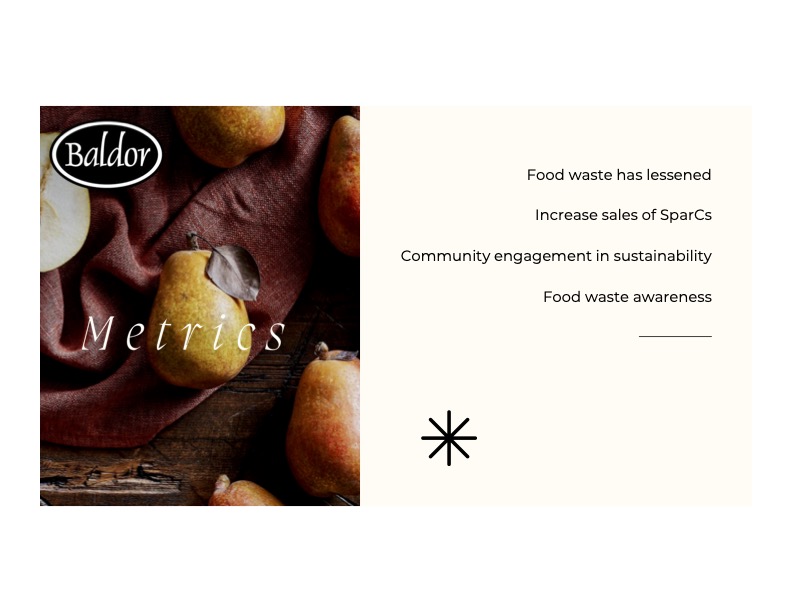
Cost Savings & Revenue Generation: The optimized ordering process would make it easier for chefs to access SparCs, potentially leading to cost savings for restaurants and increased revenue for Baldor.
Positive Environmental Impact: The reduction in food waste would have a positive environmental impact, contributing to a more sustainable food system and aligning with growing consumer demand for eco-conscious practices.
Thought Leadership & Brand Building: By championing sustainability and partnering with influential chefs, Baldor would solidify its position as a leader in the food industry, committed to both innovation and social responsibility.
The Wrap-Up
By combining research, strategic planning, and a focus on user experience, we, as a team, developed a revitalization plan for Baldor’s SparCs program. This case study demonstrates my ability to lead and collaborate within a team to develop and implement actionable strategies that drive positive change in the food industry, while reducing food waste and empowering chefs.
 Haley Forest